How to restart working out with friends after a break
Rally team · · 3 min read
To restart working out with friends, review your agreement first. A quiet week can change schedules and expectations. This guide helps friends organize their return; each person keeps their own training plan.
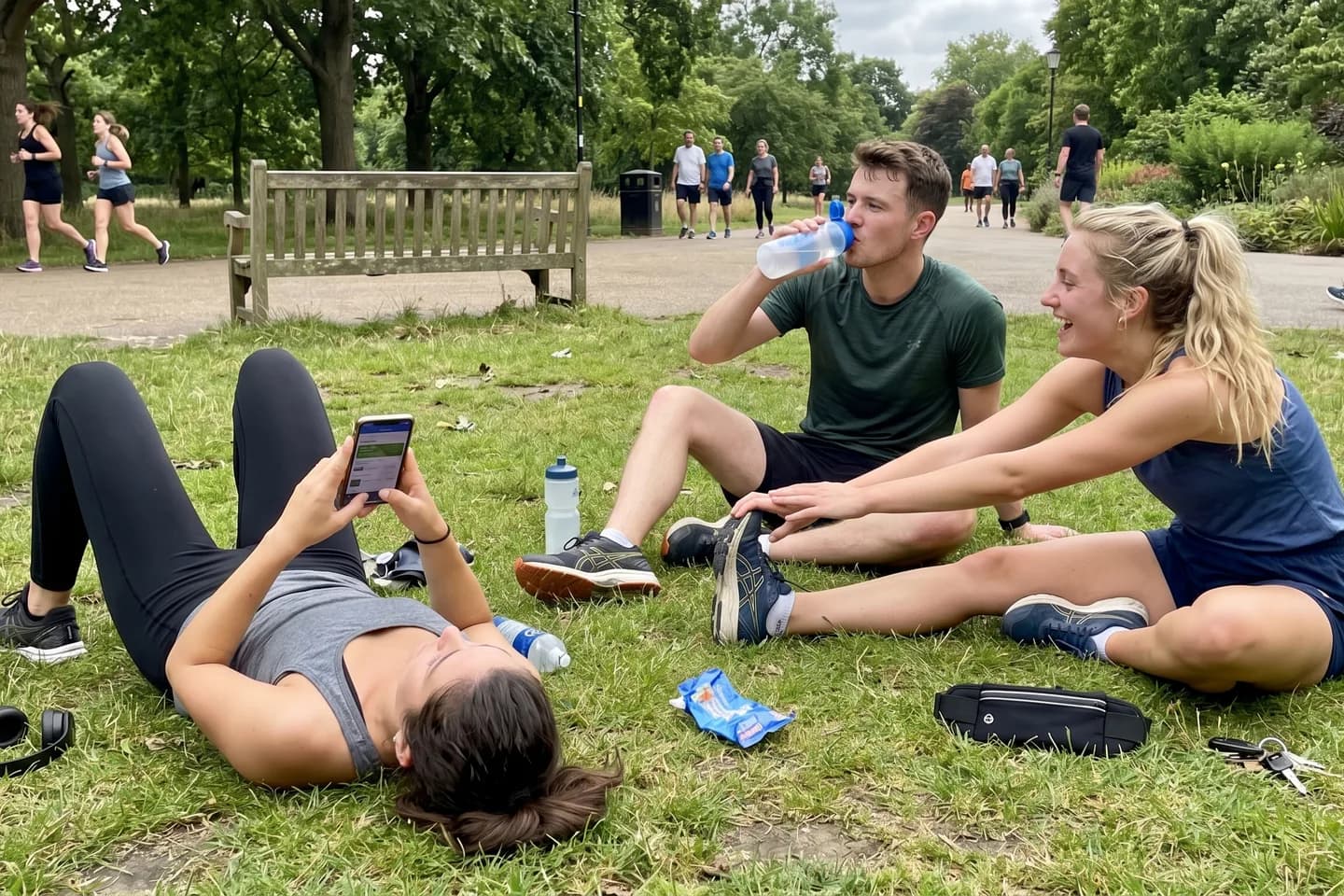
Ask what changed before restarting
A group might stop logging activity because of work, schedules or a challenge that no longer feels useful. Silence does not have to mean a lack of interest. Ask a concrete question: “Do we want to keep the same agreement or change something?”.
Leave room for someone to say no. Supporting each other works better when participation remains a choice. Do not post a list of absent members or make everyone explain their break in front of the group.
Write an agreement that fits in one message
Write down when the new week starts, what each participant wants to share and when you will talk about how it went. Avoid promising a frequency you have not agreed on. Each person chooses a commitment that fits their situation.
The free planner on this website can give you a starting point. Its output is a conversation template, not an exercise routine or a change to Rally scoring.
- Start: a date everyone knows.
- Log: what you want to make visible and where.
- Support: which messages or reminders each person welcomes.
- Review: a moment to discuss and adapt the agreement.
Choose a log your group will actually look at
A chat, a calendar and an app require different amounts of coordination. If updates get buried in chat, a dedicated place may be easier. If you do not want to install anything yet, the printable calendar lets you try the agreement without an account.
In Rally, you can gather the group, log workouts and follow a weekly leaderboard that starts again. Scoring is part of the game; a conversation between friends can also recognize that someone returned to their commitment. You do not need to invent rewards for doing extra sessions.
Agree on what happens when someone needs a pause
Do not add a session as a penalty or try to make up every missed day. The group agreement helps you coordinate; it does not decide which load or intensity is appropriate for someone.
If the break involved a health issue or someone needs to adapt their exercise, that decision belongs to their circumstances and any relevant professional guidance. A group leaderboard should not make it for them.
Finish with a useful question
At the end of the week, ask: “What helped us keep the agreement, and what got in the way?”. Pick one change for next time. It could mean moving the review, sending fewer messages or no longer requesting photos.
You do not have to declare the trial a success just because it produced logs. The useful result is knowing whether you want to continue and under which conditions. If nobody wants a competition anymore, you can keep the group and support each other differently.