How to start a walking group with friends
Rally team · · 5 min read
To start a walking group with friends, agree on where to meet, where the route ends and who communicates changes. Ask for a clear RSVP and try one outing before committing to a schedule. Here is a coordination plan and an invitation you can adapt for your group.
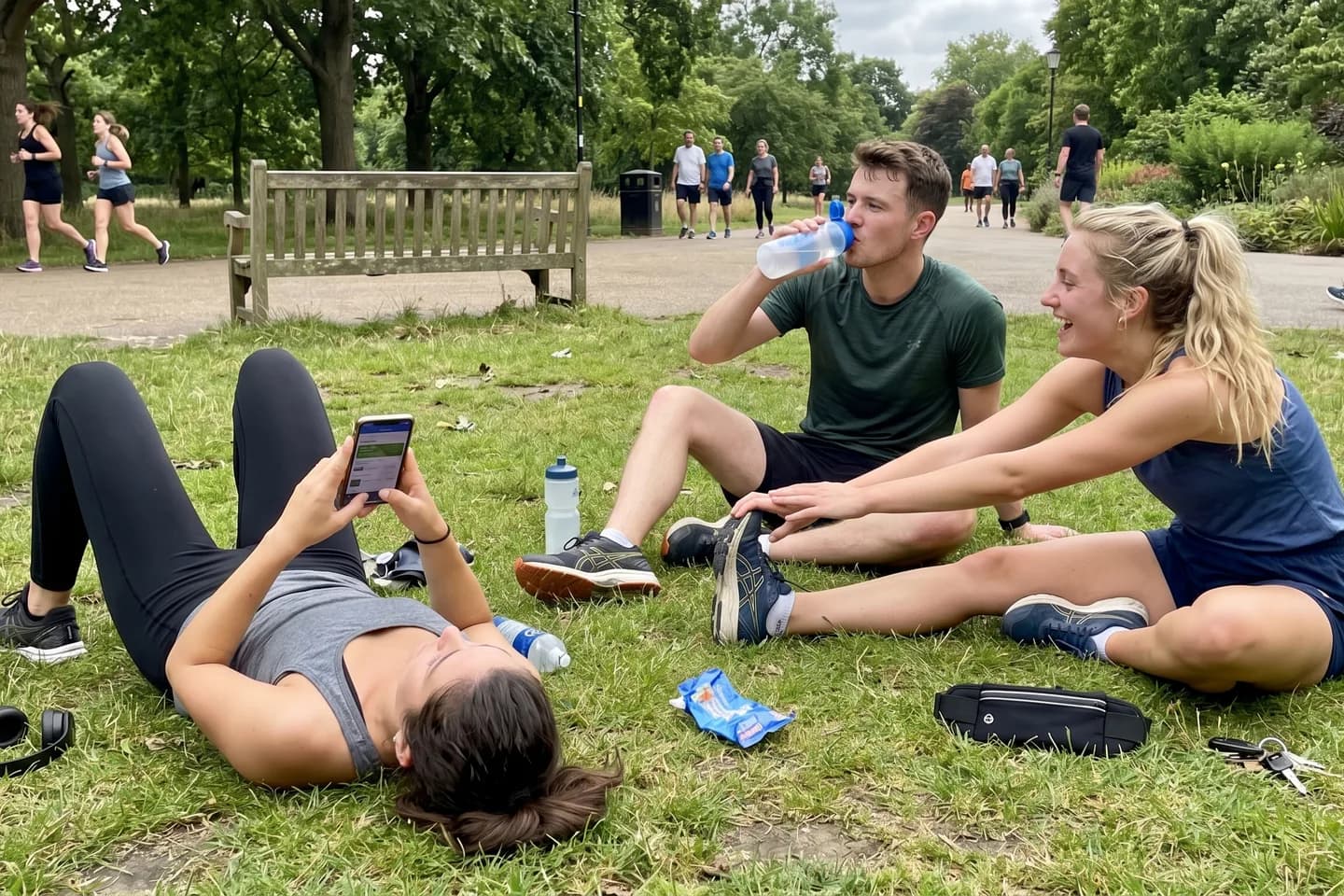
Start with one outing everyone understands
Ask what you want to share: a walk to chat, explore a place or meet after work. That answer helps you choose a plan without turning the invitation into a competition for speed or distance.
Suggest a specific date and ask who would like to join. You do not need to settle the whole month in the first message. Arrange one meetup, then discuss whether you want to repeat it.
This guide suggests agreements for an informal group of friends. You choose the route and duration; the article does not prescribe how much anyone should walk or promise physical results.
Plan both the meeting point and the return
Travelwest’s guide to starting a walking group distinguishes circular routes from walks that finish at another destination. That difference matters when each person plans their return.
Before inviting people, share a route description and an unambiguous meeting landmark, such as a particular park entrance. If you finish somewhere else, say so. Check that the place is open and the proposed route is accessible for those who confirmed.
Ask what conditions the group needs rather than assuming a route works for everyone. If someone wants a shorter loop or a different pace, agree on the option before leaving. A map can help, but it does not replace that conversation.
Share the coordination instead of leaving it to one person
For your first outing, divide these tasks among people who want to help. One person can handle several, but everyone should know who confirms each part. The table is an organizing suggestion from the Rally team.
Swipe across the table to read all columns.
| Stage | Group agreement | What to confirm |
|---|---|---|
| Before inviting | Someone proposes the meeting point and route | Start, finish and an identifying landmark |
| Before leaving | Someone collects RSVPs and communicates changes | Who is coming and the current plan |
| At the meeting point | People who arrived review the plan together | Who is present and how to communicate a separation |
| At the finish | Someone asks about another outing | What to keep or change next time |
An invitation to copy and adapt
“Want to go for a walk together? How about [day] at [time], meeting at [landmark]? The proposed route is [description], finishing at [place]. The idea is to [chat / stroll / explore the area], at a pace agreed by those joining. Please confirm by [chosen deadline] if you are coming. [Name] will post any changes in this chat.”
Fill in the blanks before sending it and share it with the people you want to invite. Keep a “maybe” separate from a confirmed RSVP. No reply does not confirm attendance.
Meeting details can stay in your private chat. You do not need to publish phone numbers, personal schedules or the route on an open social network to arrange a walk with friends.
Agree on how to handle delays and changes
Decide where someone should report a delay and who responds before you leave. If the walk has already started, a late arrival needs an explicit answer about how to meet you; do not assume they can find the group.
If you change the route or cancel because of the day’s conditions, send one message with the current plan and ask those who had confirmed to acknowledge it. A new suggestion buried among other messages does not mean everyone has seen it.
At the meeting point, check who arrived and how someone can let you know if they leave early. Ask before including others in photos and check again before sharing them outside the group.
Repeat the walk and record what you did
At the finish, ask three questions: did the meeting point work, did the route match our expectations, and would we like to repeat it or change something? Use those answers to suggest the next outing instead of building a calendar nobody uses.
If you just want to remember the days you went out, each person can use the linked printable calendar. If you want written group rules, the challenge planner helps you draft them. These tools do not send invitations or coordinate the meetup for you.
If you also want to log workouts and follow a weekly leaderboard with friends, consider Rally: its official listing describes private groups, workout logs and weekly competition. Review its points rules before using that leaderboard; it serves a different purpose from attendance or route coordination.
You do not have to compete to make a useful group agreement. This guide, invitation and table are original suggestions from the Rally team to help you organize the next outing.
Sources and editorial approach
Official sources reviewed on November 1, 2026. Features and conditions can change. Rally publishes this content and develops one of the apps mentioned.